



Amino acids
-
Amino acids (179)

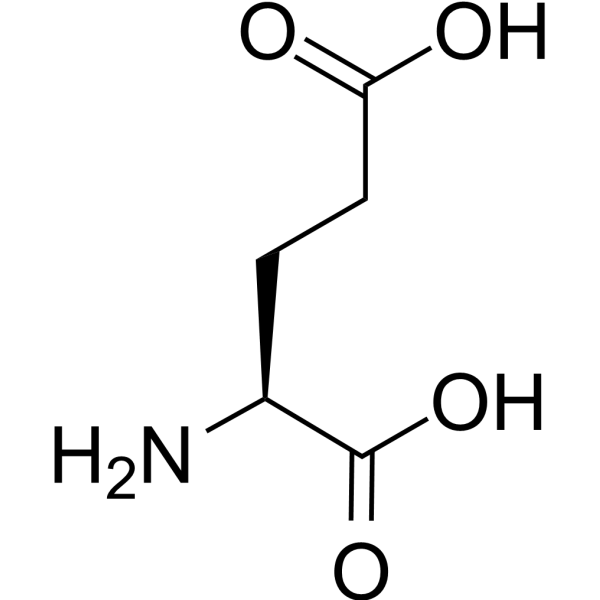
- Formula: C5H9NO4
- Molecular Weight: 147.13
L-Glutamic acid is an excitatory amino acid neurotransmitter that acts as an agonist for all subtypes of glutamate receptors (metabolic rhodophylline, NMDA, and AMPA). L-Glutamic acid has an agonist effect on the release of DA from dopaminergic nerve endings. L-Glutamic acid can be used in the study of neurological diseases. L-Glutamic acid acts at ionotropic and metabotropic glutamate receptors.
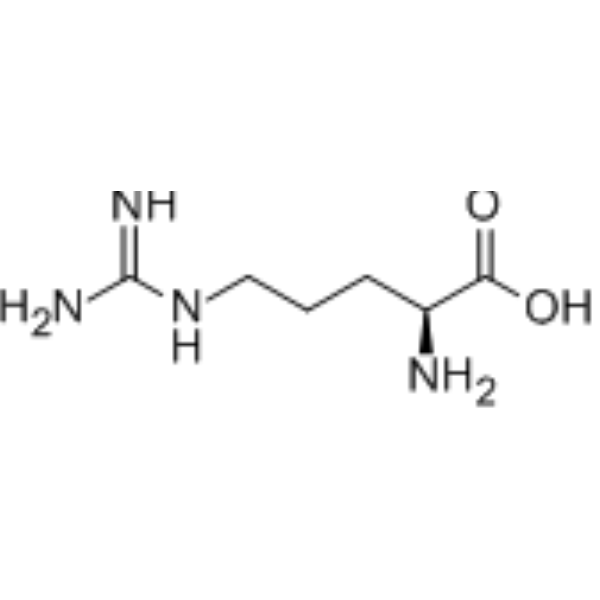
- Formula: C6H14N4O2
- Molecular Weight: 174.20
L-Arginine ((S)-(+)-Arginine) is the substrate for the endothelial nitric oxide synthase (eNOS) to generate NO. L-Arginine is transported into vascular smooth muscle cells by the cationic amino acid transporter family of proteins where it is metabolized to nitric oxide (NO), polyamines, or L-proline. L-Arginine is a potent vasodilator, and can be used to induce experimental acute pancreatitis.
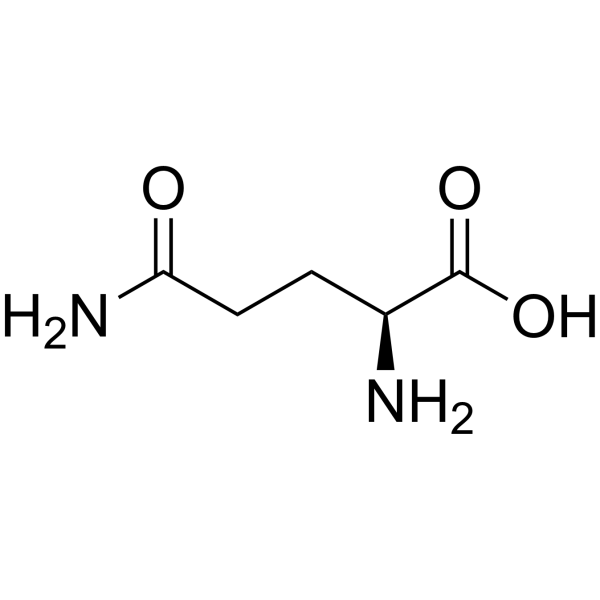
- Formula: C5H10N2O3
- Molecular Weight: 146.15
L-Glutamine (L-Glutamic acid 5-amide) is a non-essential amino acid present abundantly throughout the body and involved in many metabolic processes. L-Glutamine provides a source of carbons for oxidation in some cells.
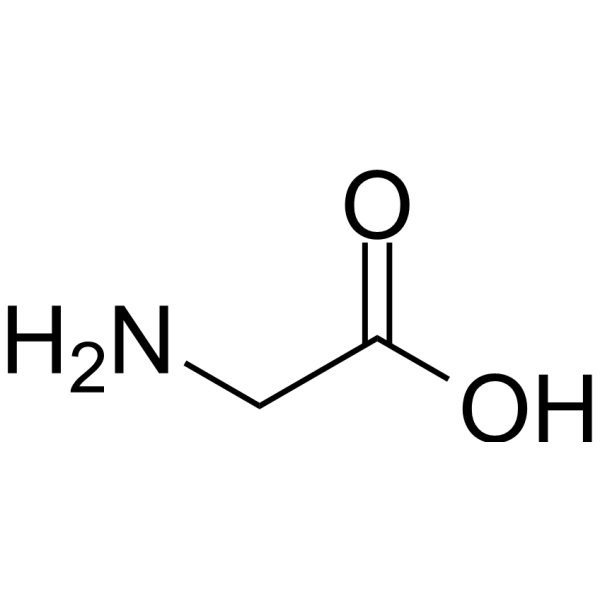
- Formula: C2H5NO2
- Molecular Weight: 75.07
Glycine is an inhibitory neurotransmitter in the CNS and also acts as a co-agonist along with glutamate, facilitating an excitatory potential at the glutaminergic N-methyl-D-aspartic acid (NMDA) receptors. Glycine is orally active. Glycine inhibits the membrane aggregation of NINJ1 and prevents plasma membrane rupture during cell death. Glycine can be used to study cell protection, cancer, neurological diseases, and angiogenesis.
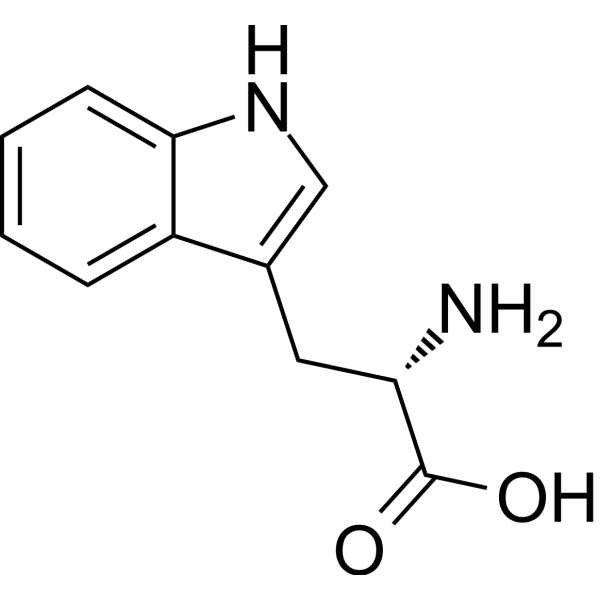
- Formula: C11H12N2O2
- Molecular Weight: 204.23
L-Tryptophan (Tryptophan) is an orally active and essential amino acid that is the precursor of serotonin, melatonin, and vitamin B3. L-Tryptophan can promote an increase in stemness and osteogenic ability of BMSCs in vitro and in vivo. L-Tryptophan inhibits cell proliferation and induced cell cycle arrest with high levels.
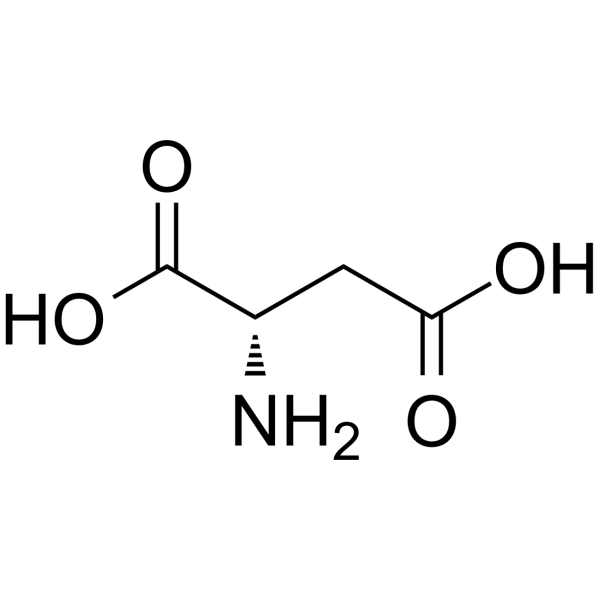
- Formula: C4H7NO4
- Molecular Weight: 133.10
L-Aspartic acid is a NMDA receptor agonist and acidic amino acid. L-Aspartic acid has no independent analgesic activity. L-Aspartic acid can antagonize the analgesic effects of D-Aspartic acid and Morphine. L-Aspartic acid regulates polymorph transformation, crystal growth/aggregation and nucleation processes of calcium carbonate, and can serve as a biomineralization template. L-Aspartic acid promotes burst firing of central neurons. L-Aspartic acid can be used in studies related to cerebral ischemia and epilepsy.
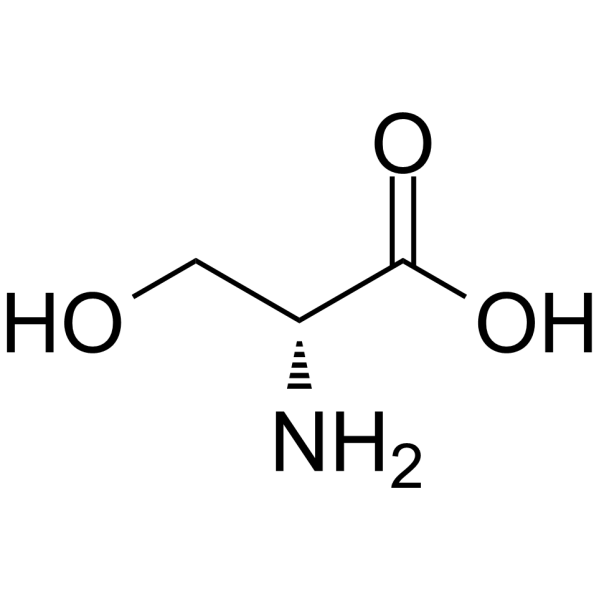
- Formula: C3H7NO3
- Molecular Weight: 105.09
D-Serine ((R)-Serine), an endogenous amino acid involved in glia-synapse interactions that has unique neurotransmitter characteristics, is a potent co-agonist at the NMDA glutamate receptor. D-Serinee has a cardinal modulatory role in major NMDAR-dependent processes including NMDAR-mediated neurotransmission, neurotoxicity, synaptic plasticity, and cell migration.

- Formula: C5H9NO4
- Molecular Weight: 147.13
L-Glutamic acid (Standard) is the analytical standard of L-Glutamic acid. This product is intended for research and analytical applications. L-Glutamic acid is an excitatory amino acid neurotransmitter that acts as an agonist for all subtypes of glutamate receptors (metabolic rhodophylline, NMDA, and AMPA). L-Glutamic acid has an agonist effect on the release of DA from dopaminergic nerve endings. L-Glutamic acid can be used in the study of neurological diseases.
IC50 & Target:DA.
In Vitro: L-Glutamic acid (120, 500, 750, 1000 mg/dL) can reduce the harmful effect of lithium on the embryonic development of Xenopus Xenopus.
L-Glutamic acid (2, 5, 10, 20 mM, 24-48 h) can induce neuroexcitotoxicity in neuroblastoma.
In Vivo: L-Glutamic acid (3 g/kg, subcutaneous injection) can promote excitotoxic degeneration of retinal ganglion cells in mice.
L-Glutamic acid (750 mg/kg, intraperitoneal injection) can reduce and inhibit oxidative stress induced by chlorpyrifos (CPF) in rats.
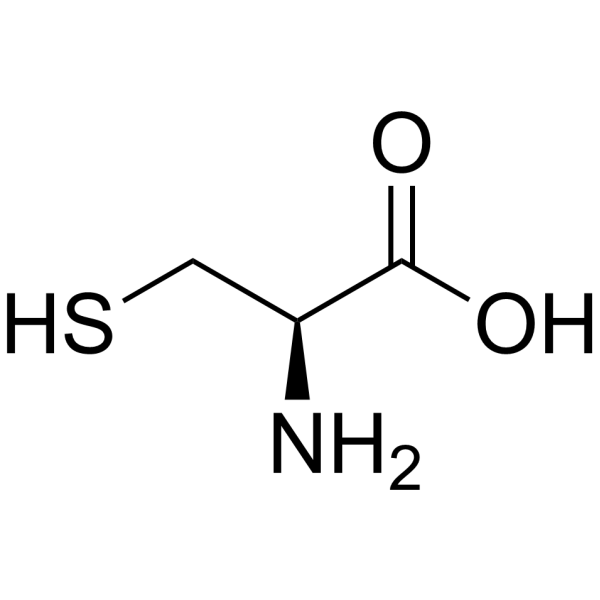
- Formula: C3H7NO2S
- Molecular Weight: 121.16
L-Cysteine (Cysteine) is an orally active conditionally essential amino acid with hypoglycemic effects, which acts as a precursor for biologically active molecules such as hydrogen sulphide (H2S), glutathione and taurine. L-Cysteine promotes the proliferation and differentiation of neural stem cells via the CBS/H2S pathway. L-Cysteine suppresses ghrelin and reduces appetite in rodents and humans. L-Cysteine can be used as an anorectic agent.
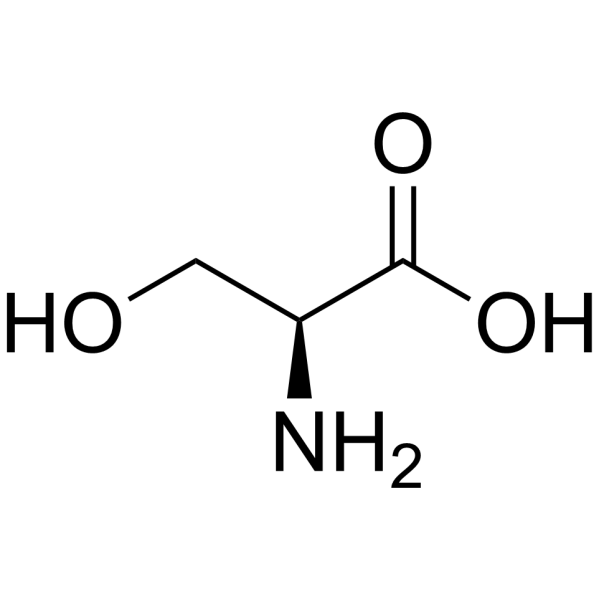
- Formula: C3H7NO3
- Molecular Weight: 105.09
L-Serine ((-)-Serine; (S)-Serine), one of the so-called non-essential amino acids, plays a central role in cellular proliferation.
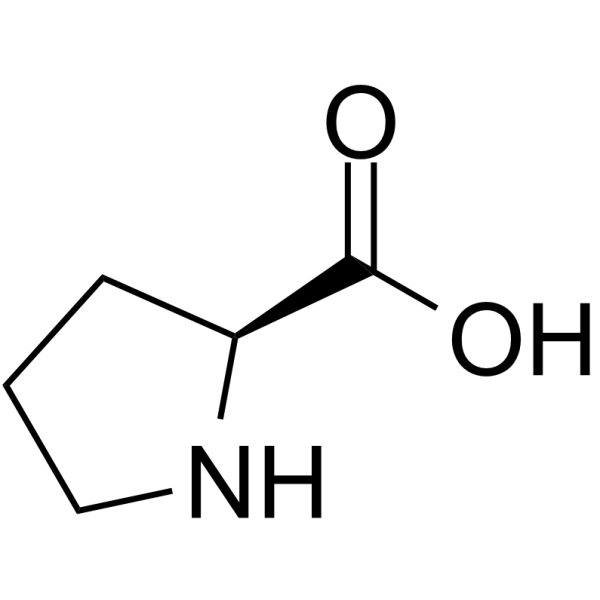
- Formula: C5H9NO2
- Molecular Weight: 115.13
L-Proline is one of the twenty amino acids used in living organisms as the building blocks of proteins.
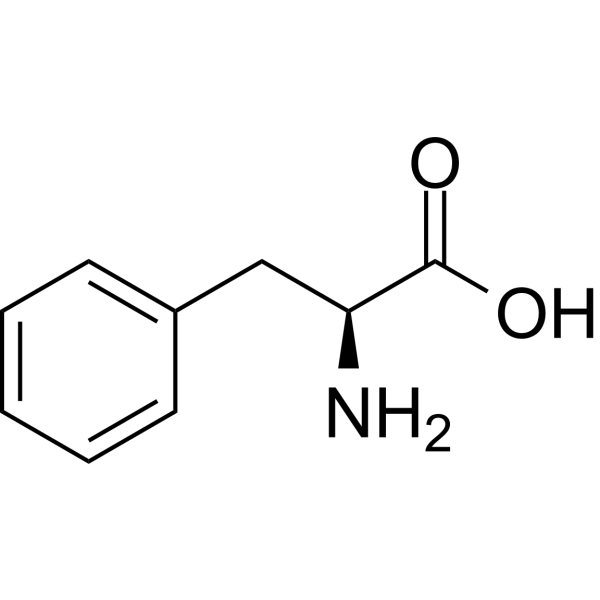
- Formula: C9H11NO2
- Molecular Weight: 165.19
L-Phenylalanine ((S)-2-Amino-3-phenylpropionic acid) is an essential amino acid isolated from Escherichia coli. L-Phenylalanine is a α2δ subunit of voltage-dependent Ca+ channels antagonist with a Ki of 980 nM. L-phenylalanine is a competitive antagonist for the glycine- and glutamate-binding sites of N-methyl-D-aspartate receptors (NMDARs) (KB of 573 μM ) and non-NMDARs, respectively. L-Phenylalanine is widely used in the production of food flavors and pharmaceuticals.
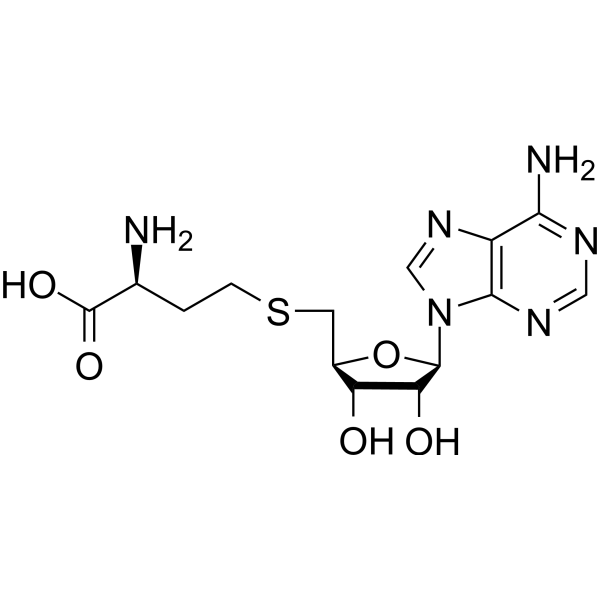
- Formula: C14H20N6O5S
- Molecular Weight: 384.41
SAH (S-Adenosylhomocysteine) is an amino acid derivative and a modulartor in several metabolic pathways. It is an intermediate in the synthesis of cysteine and adenosine. SAH is an inhibitor for METTL3-METTL14 heterodimer complex (METTL3-14) with an IC50 of 0.9 µM.
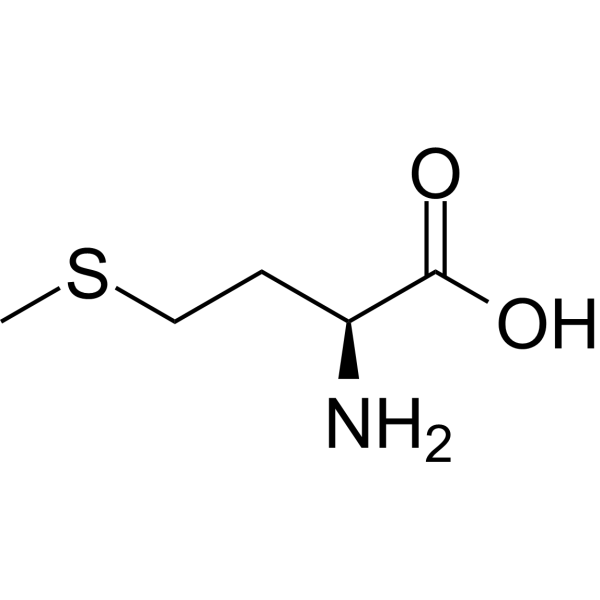
- Formula: C5H11NO2S
- Molecular Weight: 149.22
L-Methionine is an L-isomer of orally active Methionine, an essential amino acid. Methionine is a strong liver antidote that acts as a liver protector. L-Methionine can inhibit cell proliferation and induce cell apoptosis. L-Methionine has antitumor and antioxidant activity.
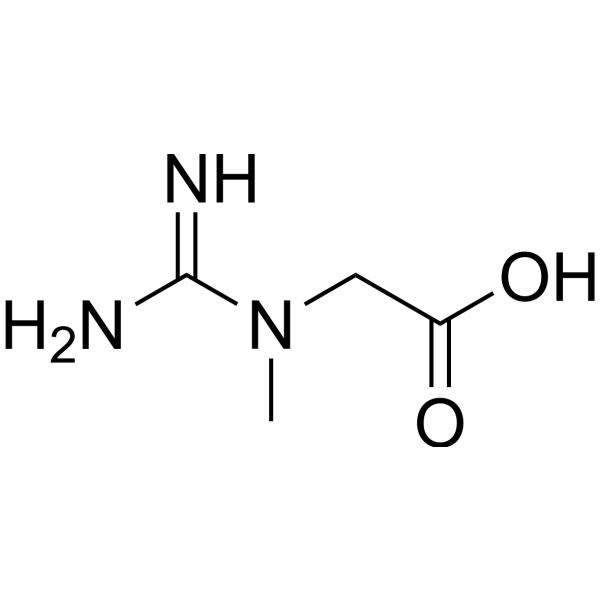
- Formula: C4H9N3O2
- Molecular Weight: 131.13
Creatine, an endogenous amino acid derivative, plays an important role in cellular energy, especially in muscle and brain.
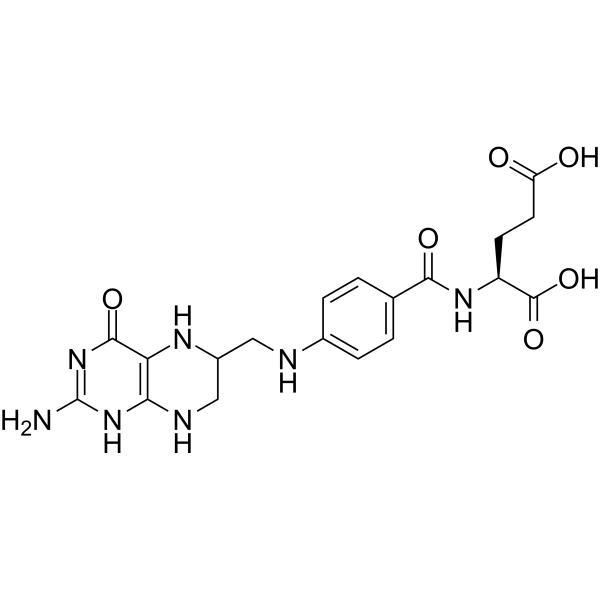
- Formula: C19H23N7O6
- Molecular Weight: 445.43
Tetrahydrofolic acid (L-5,6,7,8-Tetrahydrofolic acid) is the biologically active vitamin B9 folate derivative. Tetrahydrofolic acid is a donor of one-carbon groups for amino acids, nucleic acids, and lipids. Tetrahydrofolic acid serves as an acceptor of free formaldehyde, producing 5,10-methylenetetrahydrofolate-Tetrahydrofolic acid.
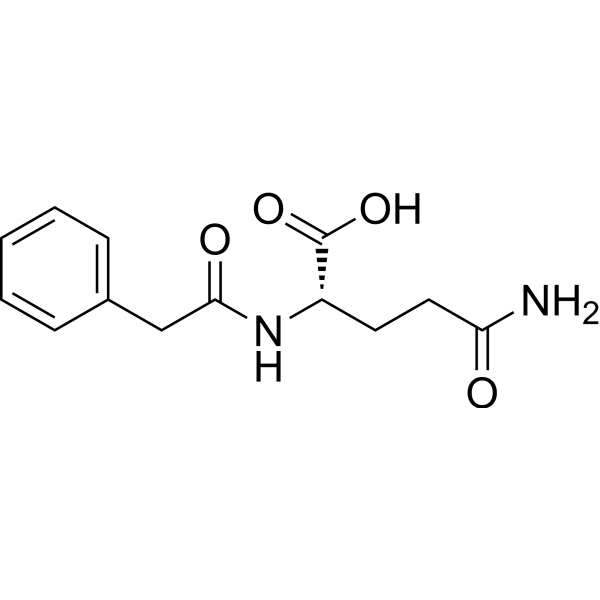
- Formula: C13H16N2O4
- Molecular Weight: 264.28
Phenylacetylglutamine is a colonic microbial metabolite from amino acid fermentation.
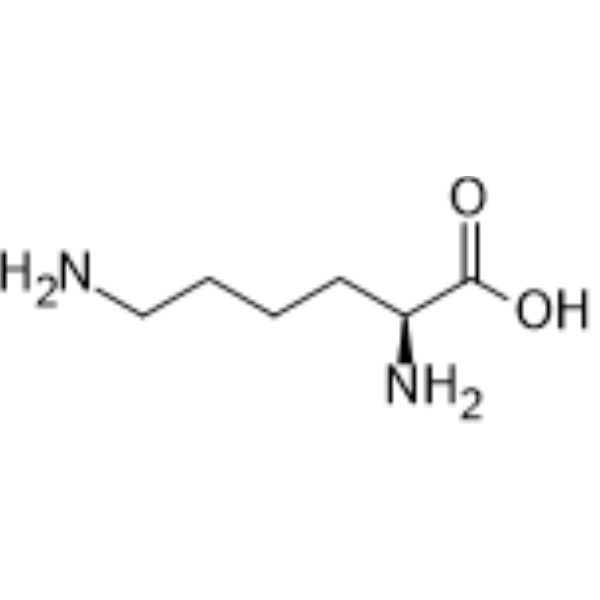
- Formula: C6H14N2O2
- Molecular Weight: 146.19
L-lysine is an essential amino acid for humans with orally activity. L-lysine can inhibit the occurrence of HSV infections and is used in herpes research. L-lysine increases calcium absorption, reduces diabetes-related diseases, improves gut health, and alleviates pancreatic inflammation. L-lysine can be used in research on metabolism, infection, and inflammation.



